Silver Jewellery – Traditional Importance In South Indian Culture
Category: Silver | Author: | Date: 10 Oct 2026
Silver Jewellery – Importance In South Indian Tradition
Silver has always held a special place in South Indian jewellery tradition. For generations, silver ornaments have been valued not only for their beauty but also for their cultural and spiritual significance in everyday life.
Cultural Importance
In many South Indian families, silver jewellery is considered auspicious. Ornaments such as Kolusu (anklets), Metti (toe rings), and silver chains are traditionally worn during marriages, festivals, and special family occasions.
Spiritual Significance
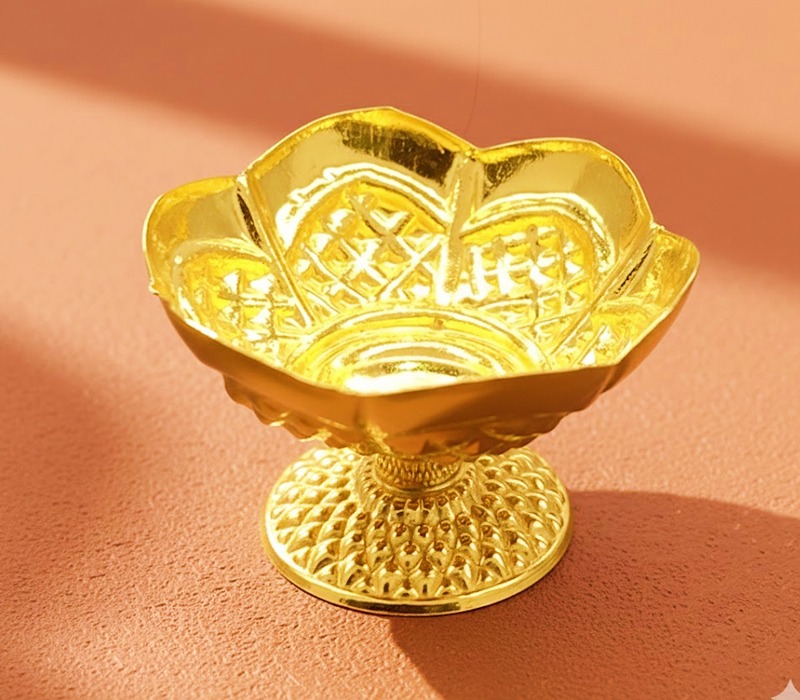
Silver is associated with purity and positive energy in traditional beliefs. Many households use silver items in religious rituals, temple offerings, and pooja ceremonies, making it an important metal in spiritual practices.
Health And Traditional Beliefs
According to traditional beliefs, wearing silver jewellery such as anklets and toe rings helps maintain body balance and promotes positive energy flow. This is one of the reasons silver ornaments are widely used in daily wear.
Popular Silver Jewellery In South India
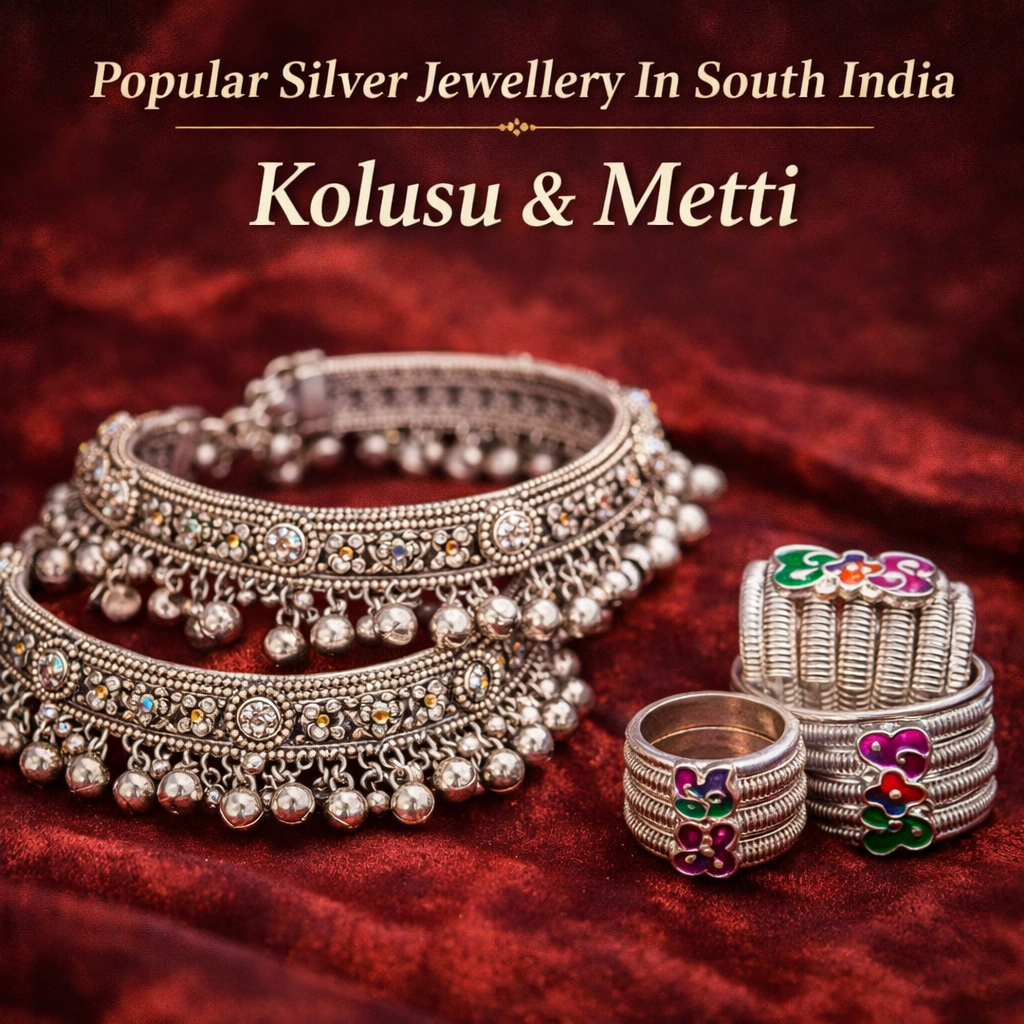
Kolusu (Silver Anklets) – A classic ornament worn by women and children.
Metti (Toe Rings) – A traditional ornament worn by married women.
Silver Chains And Bracelets – Used for daily wear and festive occasions.
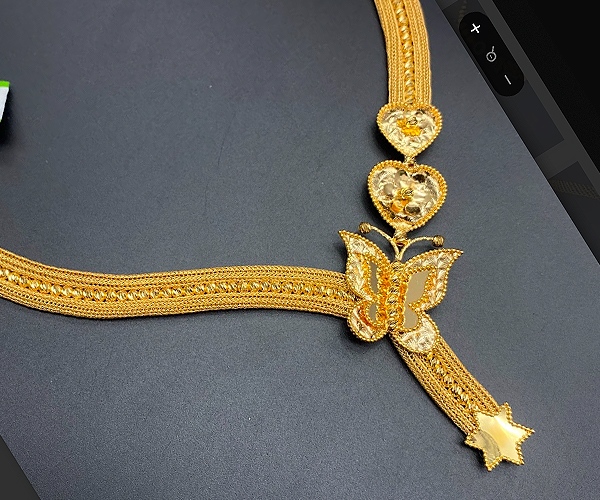
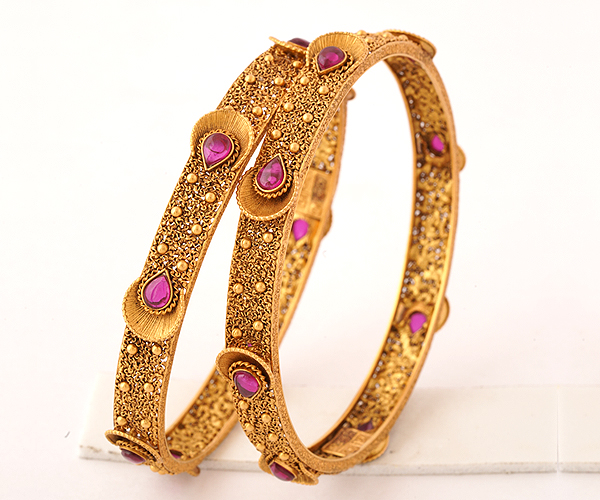
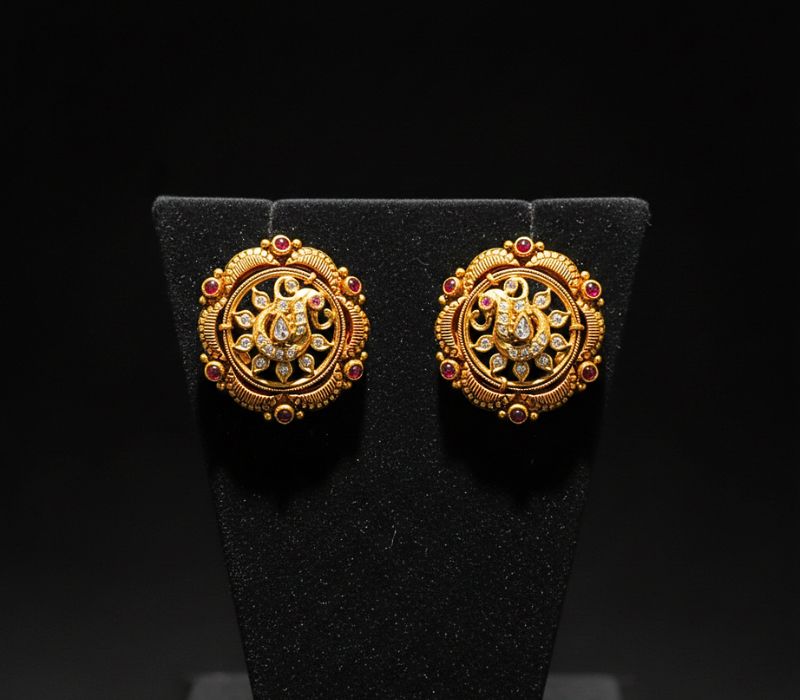
Temple Style Silver Jewellery – Inspired by traditional South Indian art and culture.
Tradition Meets Craftsmanship
At Sriharikrishna Nagai Maligai, silver jewellery is crafted with fine detailing and traditional designs that reflect South Indian heritage while offering elegant and durable pieces suitable for everyday wear.
✨ Silver jewellery is not just an ornament — it represents a beautiful blend of culture, tradition, and timeless elegance in South Indian life.